
Hanna Roll on a lifelong dream, an unlikely bar, and the quiet turn toward Jesus in one of Europe’s least religious countries
Before she could read, she was already preaching.
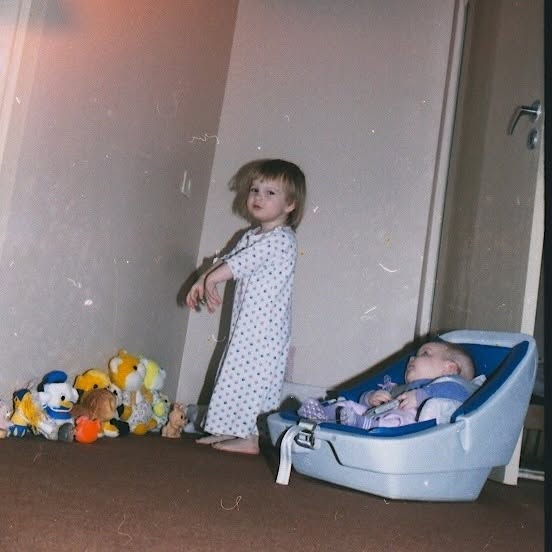
She was two, maybe three. She lined up her stuffed animals as the congregation, opened a Bible she could not yet decipher, and told the stories from memory. There was even a gospel choir, with regular practices.
“I planted my very first church with my stuffed animals. All of my stuffed animals were the members.”
For most children that would be a cute phase. For Hanna Roll it reads more like a first draft. The oldest of five in a pastor’s family, she grew up in the same building as the church and simply assumed that faith was what everyone did. School broke the assumption. “I was quite shocked that not everyone’s a Christian,” she remembers. So, in second grade, she carried a stack of Bibles into class and handed them out as free books.
The bass she did not want
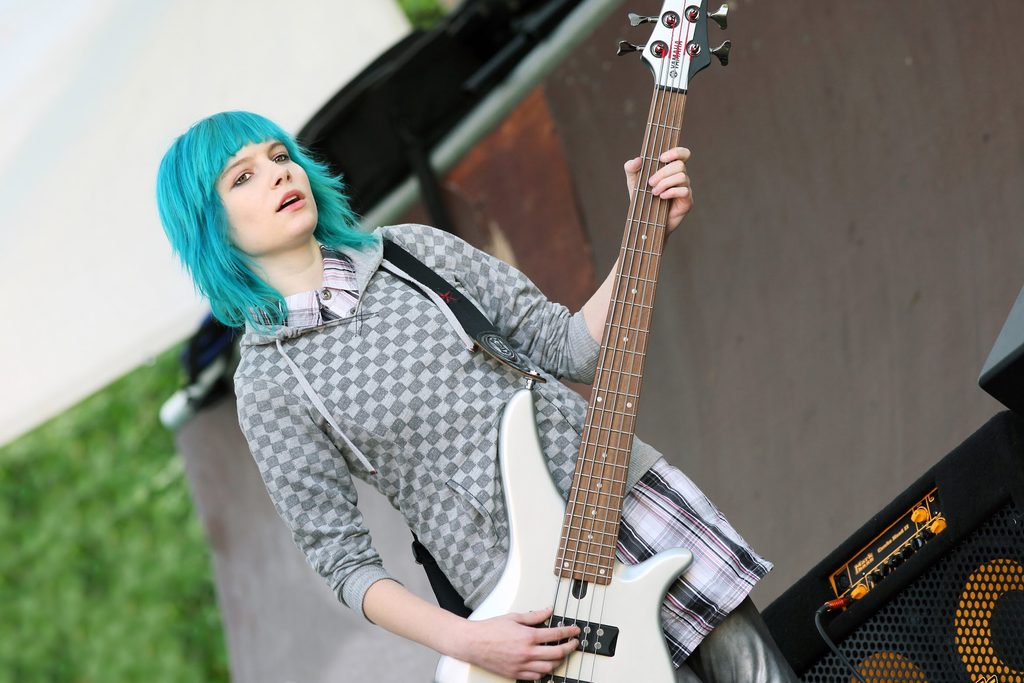
Music came early too. As a pre-teen she joined the church worship band and set her heart on the drums, until the older teenagers decided she was too young. She asked about keyboards, then guitar, and got the same answer each time, until someone offered the one instrument nobody else wanted: “You really want to be part of the band and take the bass?”
She took it, even though “it seemed like the useless thing in the bands.” That reluctant yes became years of playing, and eventually a group of her own. Miip was “a Christian all girl band that mostly performed outside of the church,” a self-described “Barbie punk” outfit that turned up in art museums and at raves. Looking back, she calls it “borderline embarrassing but still cute.”
Formal training followed: the music college in Tallinn, which she entered at fourteen, then contemporary arts and photography at the Academy of Arts. For a season she also ran a bar in Tallinn’s Old Town, “which was like a very not normal thing to do for a Christian.” She drew criticism for it, and quietly used it anyway: after the church’s Alpha course, people would carry the conversation on into the bar. She kept eyeing the place as somewhere a church could be planted.
The notebook she kept showing people
The idea never left her. Around the third date with the man she would marry, she asked: “Do you want to see my notes about my church that I will plant really soon?” Then, with a grin years later: “Which I still haven’t planted, by the way.”
What she did join was a small home church in Tallinn that decided to enter the M4 team process, effectively the whole church becoming the team. The recruitment into M4 Estonia was just as sideways. The leader at the time appeared beside her at a gathering and asked “what are you doing in May?” before telling her to come with him to Kristiansand. She said yes before she fully knew what she was saying yes to.
For the young church, the process brought focus. “Clarity is one thing that it really gave us to go forward,” she says. They chose to register as a church, gained enough structure to grow, and found that it handed leadership to people who had never imagined they could lead.
“Too good”: an 80% year
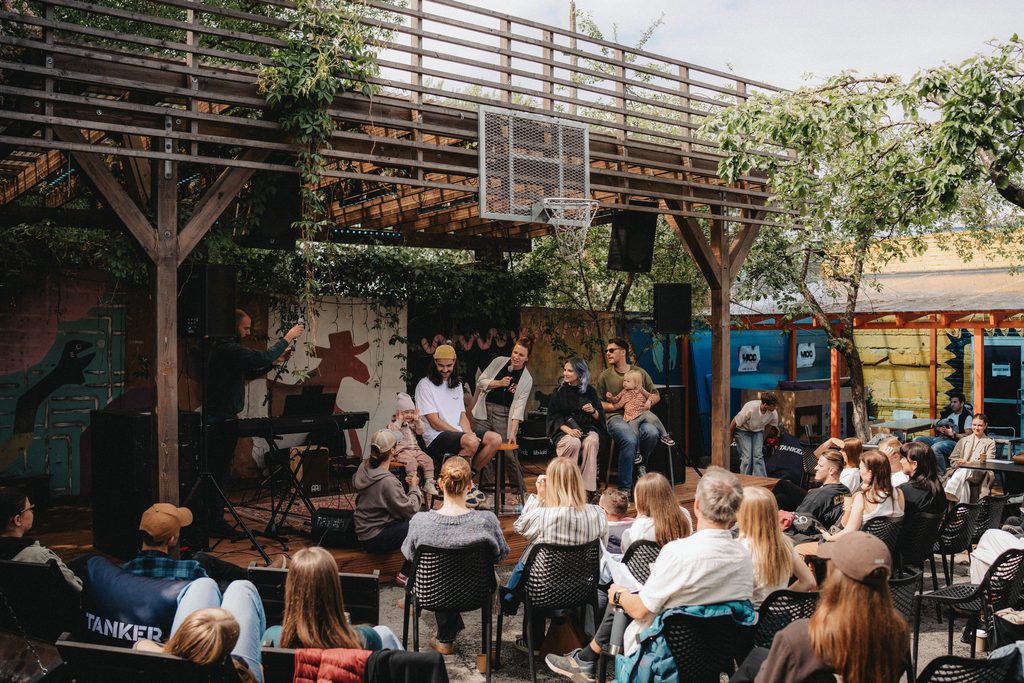
Today Hanna is one of the church’s elders. Ask how things are going and she almost winces: “At the moment, I would say we’re doing too good.” The church meets all together twice a month and in eight home groups on the other Sundays. Last year its official growth was eighty percent, a number she holds carefully, aware that “growth that quick can be also dangerous.”
People simply wander in and ask whether the church knows “something about this guy Jesus.” The elders lead as couples, and early on they made a deliberate choice not to send the children off to a side room. Nearly forty to fifty of those in the church are now kids under twelve. “It’s a chaotic mess, but in the very best way,” she says. At an elders’ retreat they set a rule for themselves, family comes first, because they have watched too many pastors’ children grow up wounded by parents who put the church above them.
Jesus, then communications
Somewhere along the way, Hanna became M4 Europe’s Director of Communications and part of the executive team, a turn she never saw coming. She had worked in advertising and finished a master’s in organizational behavior when she was asked to audit M4’s communication and suggest improvements, then asked to stay and carry them out. A trip to see the culture from the inside, and her husband’s read on it, tipped a decision the couple did not make lightly.
Ask how essential communication is and she does not hedge. First “Jesus and then communications,” she says, only half joking, because “if you can’t communicate well it’s the root of all problems.”
On storytelling, her answer is about people recognising themselves in one another: “if that person did it, maybe I could do it as well.” On staying real when the cameras are good and the edit is polished, she prefers honesty and even vulnerability: “it’s not a pretty picture that we paint, but we talk about real stuff.” She compares social media to the mountain Jesus climbed so more people could hear him, a tool that is genuinely powerful and genuinely dangerous for young minds. Her own church’s Instagram has drawn about ten people through the door in a single year. And on AI she is firm: “AI should never be the source of what you communicate.” A tool to translate what you already mean into twenty languages, yes; never the place the meaning comes from.
Something stirring in Estonia
Estonia is one of the least religious countries in the world, which is exactly what makes the season Hanna is watching so striking. “People just are interested in Jesus,” she says. The same people who were once drawn to crystals, fairies, and esoteric things are turning toward Christianity, and it is not tidy. One group wanted a tea-ceremony Bible study; the church kept the silence and the tea and gently “remove[d] the wrong spirituality from it.” For many seekers Jesus and tarot and crystals sit on the same shelf, “it’s all the same for them,” and the work is to speak the difference with love. “I’ve never seen something like this before in my life in Estonia,” she says.
Priorities, in order
The girl who preached to her stuffed animals still has not planted the church in her old notebook. Instead she has helped grow a fast-multiplying one, become its elder, and taken up the work of telling M4’s stories across the continent. Asked for a final word to church planters and tired families, she keeps it simple.
“Set your priorities right. Jesus comes first, then family, and then everything else.”