There is a particular kind of generosity that comes from having once been on the receiving end.
Romania knows what it is to need help. When M4 first arrived in the country, it came through relationships, from other nations who believed in what God was doing there and invested time, travel, and training to get it started. Romanian leaders learned. Romanian teams went through the process. Romanian churches were planted.
And then, when the invitation came to do the same for someone else, Romania said yes before the question was even finished.
The Logic of Neighbours
Moldova and Romania share more than a border. They share a language, a culture, centuries of intertwined history, and the kind of instinctive understanding that geography and kinship create between peoples. When M4 was invited to begin work in Moldova, the question of who should come alongside to help was not complicated.
Romania was already there in spirit. It took very little to make it physical – well, they’re neighbours.
From the very beginning, Romanian leaders began making the journey across the border, helping Moldovan churches navigate the M4 Team Process for the first time: facilitating gatherings, sharing what they had learned, troubleshooting the moments when a training built in one context needed gentle translation into another. It was not a grand programme. It was neighbours helping neighbours, which is perhaps the most durable form of mission there is.
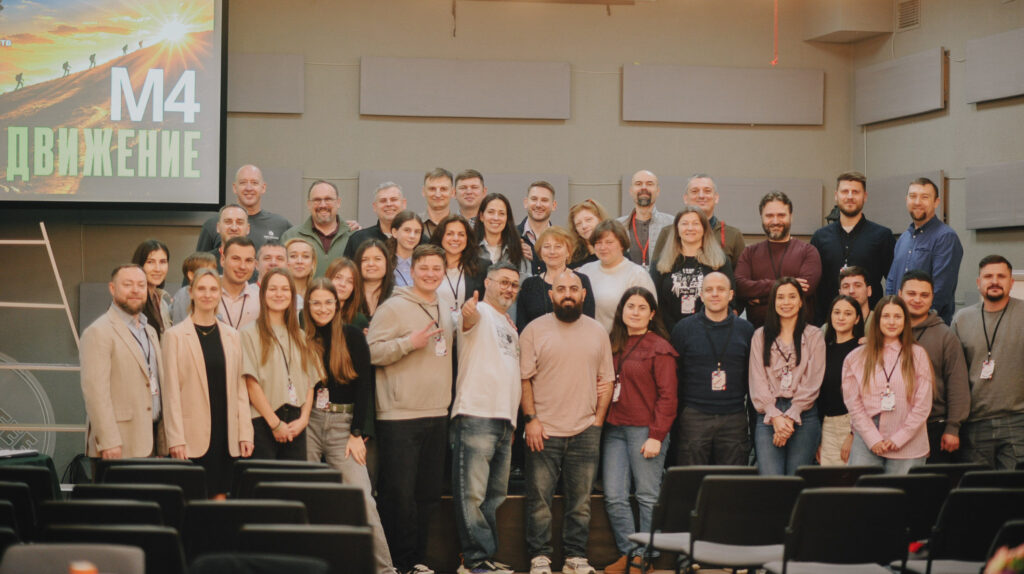
By the first part of 2026, Moldova had completed its first cycle of the M4 Team Process and celebrated the launch of six new church plants. Six communities, rooted in local contexts, carrying the Gospel into neighbourhoods that had not had an evangelical congregation before. The fruit was Moldovan. But the hands that helped tend the early growth had Romanian soil on them.
Into Harder Ground
Constanța sits on the Black Sea in the south of Romania, and it is not an easy place to plant a church.
The city carries the distinction of having the highest percentage of Muslim population in Romania, alongside a reputation for a hedonistic party culture that draws visitors and pushes back against anything that looks like moral seriousness. It is precisely the kind of place where a church planter might reasonably choose somewhere else.
Gabriel, a Romanian, and his wife Emma, an American, chose Constanța anyway.
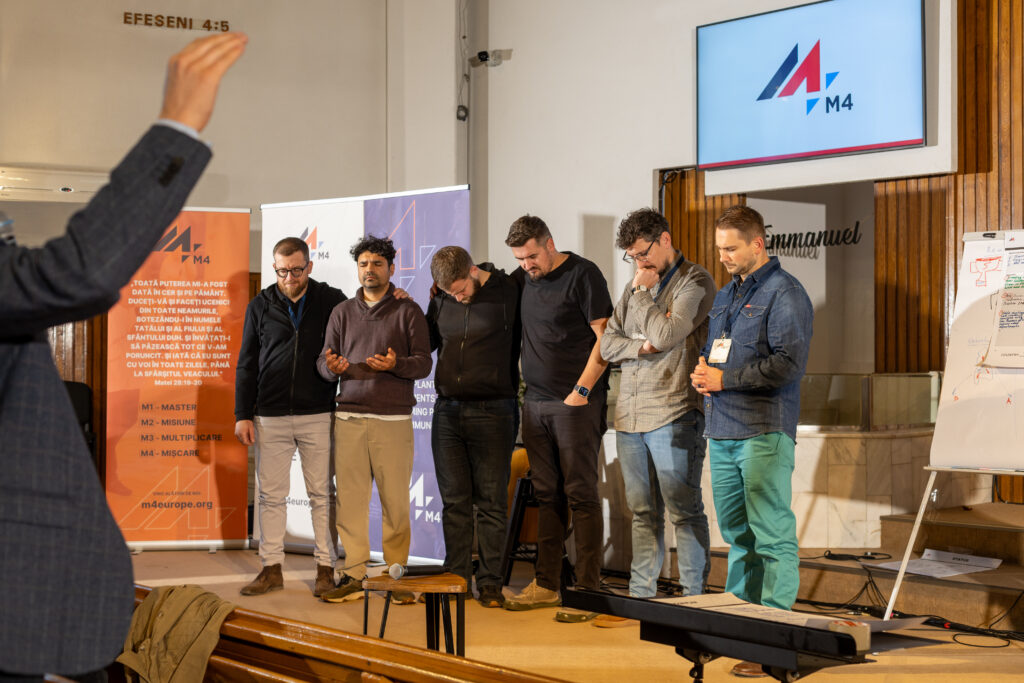
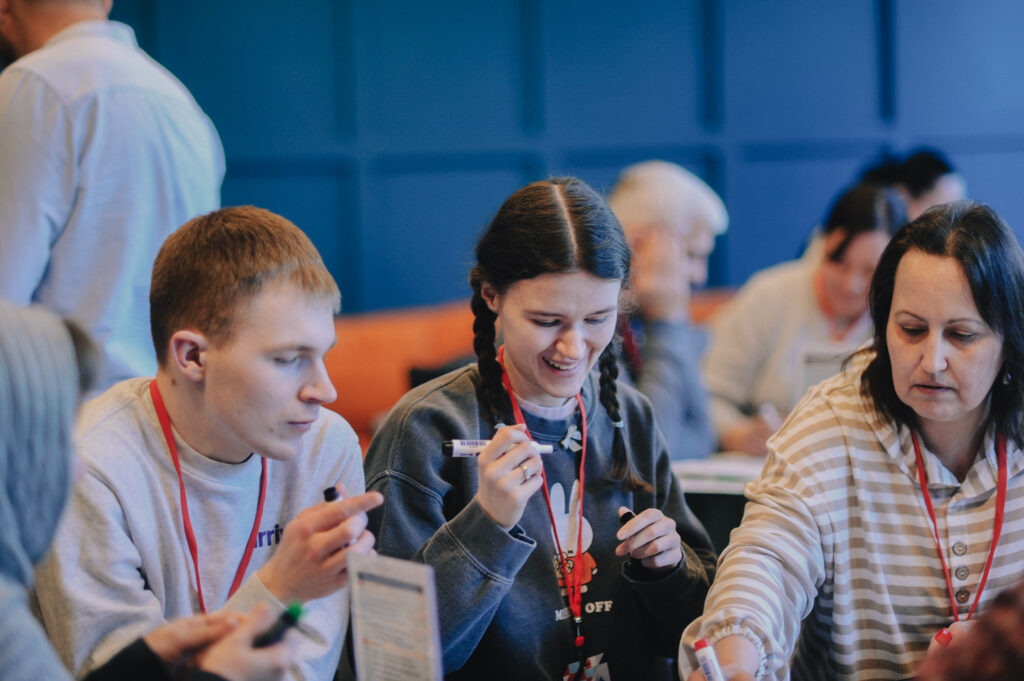
They had spent time in the United States and returned with a clear sense of calling. Two years pastoring at Holy Trinity Baptist Church in Bucharest gave them a foundation and a network. Then they gathered a small team – five adults total – and moved south to start Tomis Church. Their days are currently shaped by the unglamorous work that precedes everything else: evangelism in a city where the Gospel is unfamiliar or unwelcome to many, discipleship among the people who do respond, and the slow building of a team with the depth to sustain a church for decades.
They are doing it through the M4 Team Process. And they are doing it in Romania, which means that even as they plant, they are part of a national movement that is simultaneously serving two of its neighbours.
Crossing Into Bulgaria
Bulgaria has been watching from nearby for some time.
The country carries its own complexities for church planting. Orthodox Christianity is woven into national identity in ways that make the evangelical message feel foreign even to people who would describe themselves as spiritual. Yet across the country, leaders have been praying and preparing, and when M4 arrived, eight of them from five different denominations and church families formed a national team around a shared conviction: new churches needed to be planted in Bulgaria, and they were willing to do the work together.
Romania was, once again, the bridge.
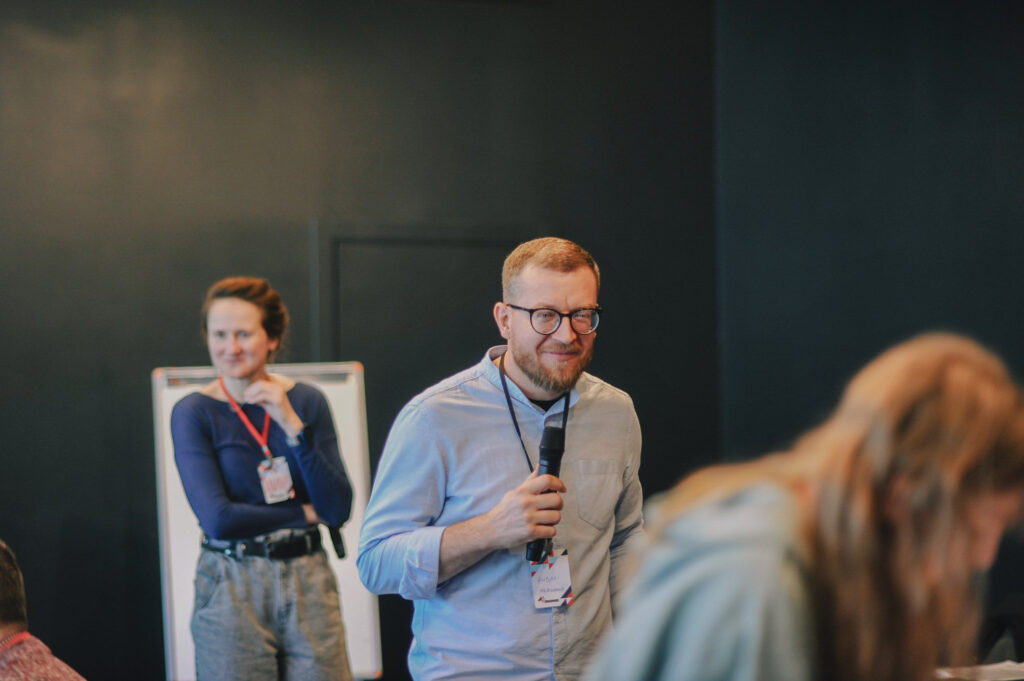
In early 2025, Romanian leaders travelled to Bulgaria to help launch the country’s first-ever M4 gathering. They facilitated the training, shared their own experience of how the process had worked for them, and prayed with the Bulgarian teams who were just beginning. It was the same posture Romania had brought to Moldova – not experts descending from outside, but fellow travellers who had walked this path and were glad to walk alongside.
The Bulgarian national team now stands at 8 leaders representing 5 denominations. The translation work is ongoing. The first M4 Team Process cycle is taking shape and will start in April 2026!
What “Nations Serving Nations” Actually Looks Like
It would be easy to describe all of this in organizational language – regional structures, mentoring relationships, cross-border initiatives. That language is accurate but insufficient.
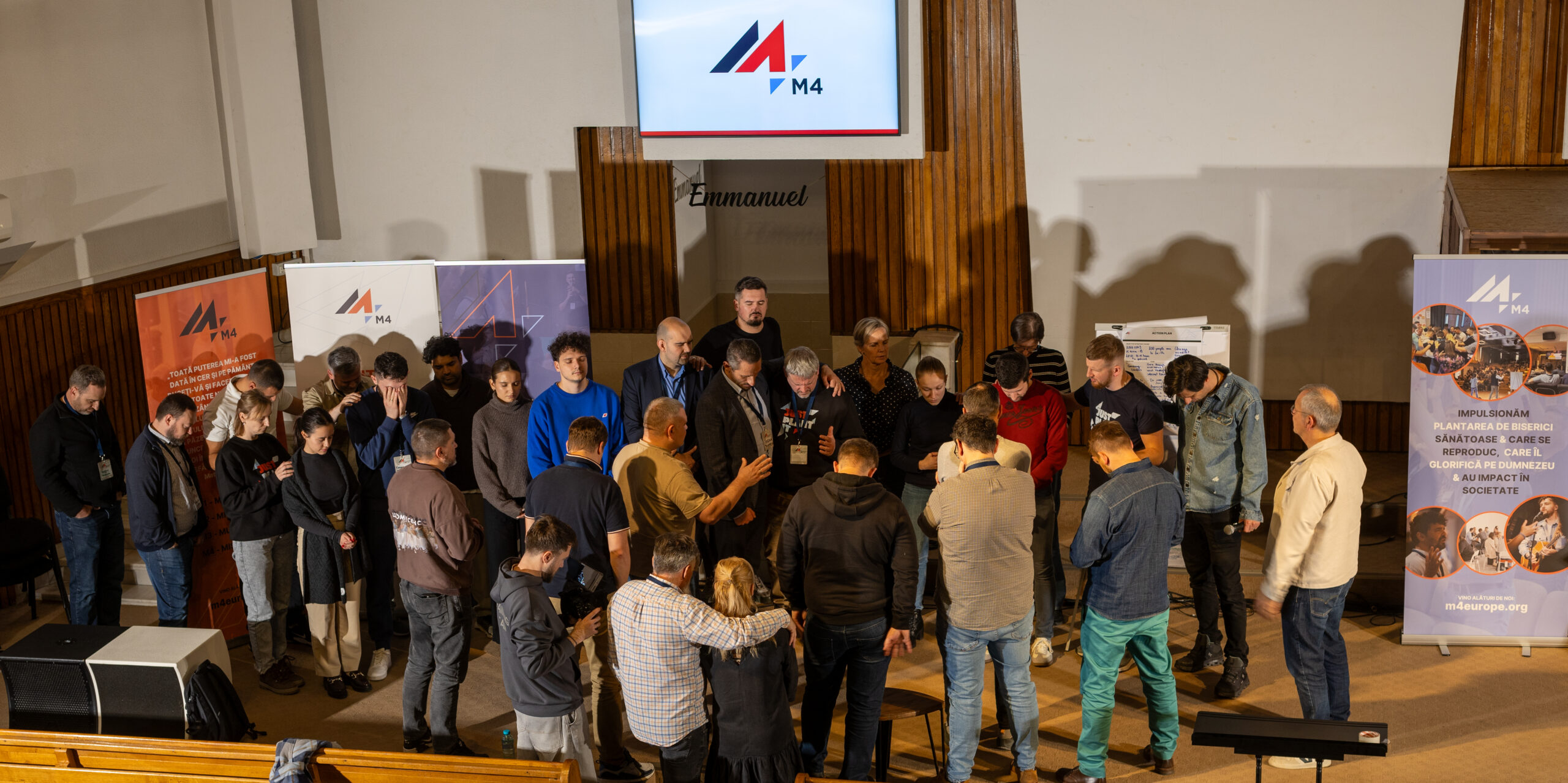
What is actually happening is that people who have received something are finding ways to give it. Romanian leaders who remember what it felt like to have someone believe in their capacity to plant churches are now being that presence for Moldovan and Bulgarian leaders. They are not doing it because they have surplus. The work in Romania itself is demanding, with 5 active teams in the M4 Team Process, 20 participants in M4 Ready, and the ambition for 10 strategic Romanian churches to actively promote church planting across the nation in the coming year.
They are doing it because generosity, once learned, tends to move outward.
M4 Europe’s phrase for this is “nations serving nations.” It describes a deliberate choice to structure the movement so that knowledge and experience flow laterally as well as from a central point, so that the wisdom accumulated in one context becomes a resource for another. Romania to Moldova. Moldova, in time, perhaps to someone else. And Bulgaria, once it finds its footing, will have its own gift to give.
The chain has no natural end. That may be precisely the point.