
By the time he was sixteen, Johannes Stenberg had already lived two lives. One was Swedish. The other was in Africa. His parents served as missionaries in Burundi, and he spent years of his childhood there, then went to boarding school in Tanzania as a teenager, travelling back and forth between the two. It was, he says, sometimes tough. It was also formative in a way he is still grateful for.
“I’m glad for my parents that they showed me how important faith is, how important mission is. Seeing different cultures broadens your perspectives.”
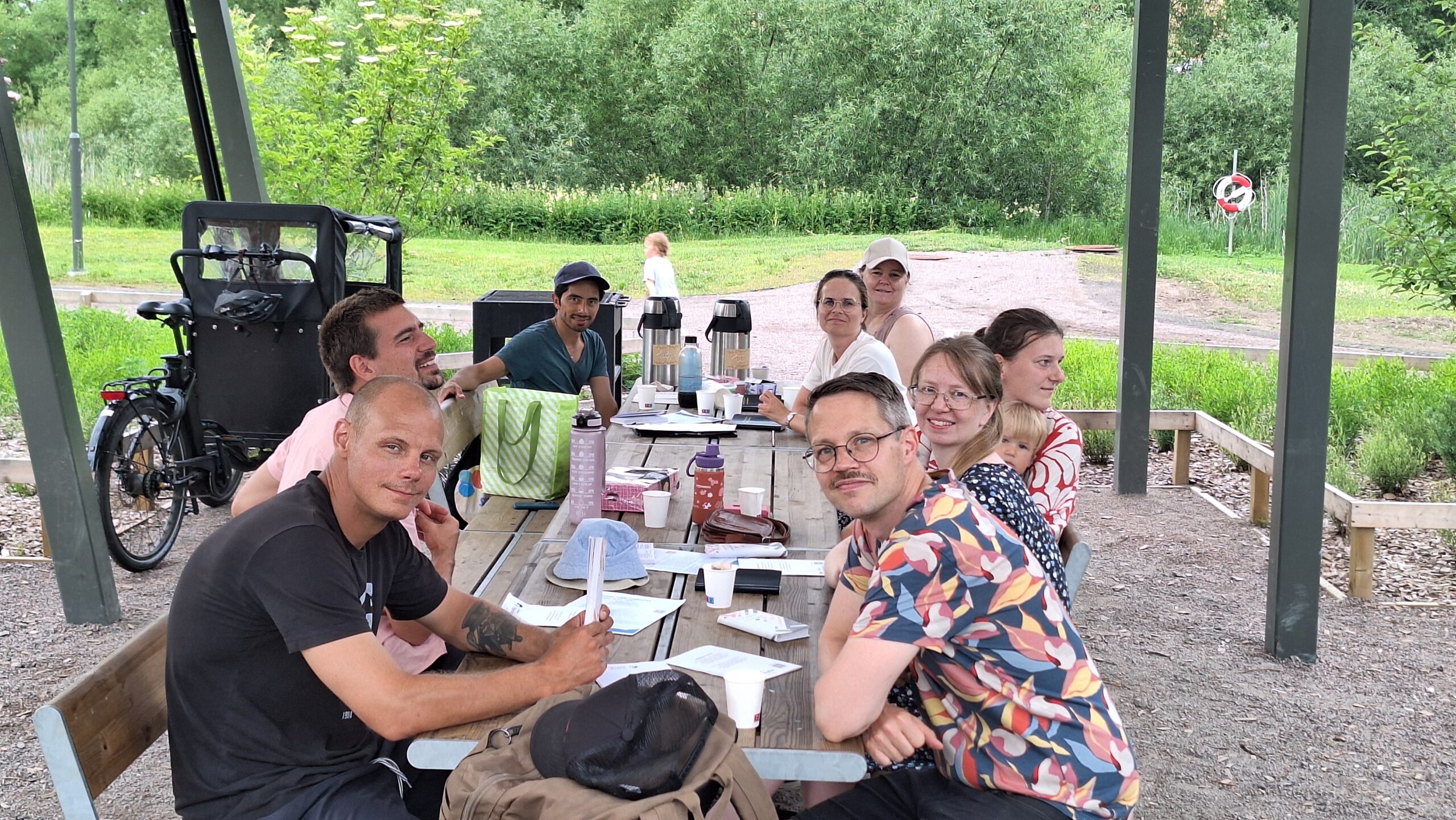
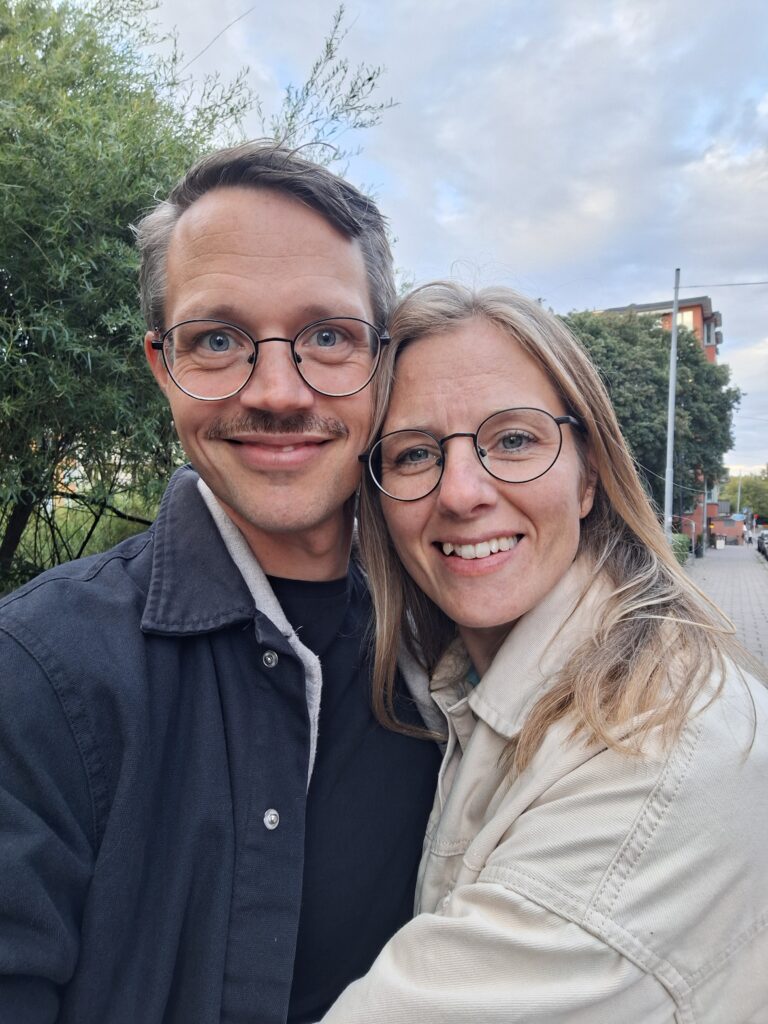
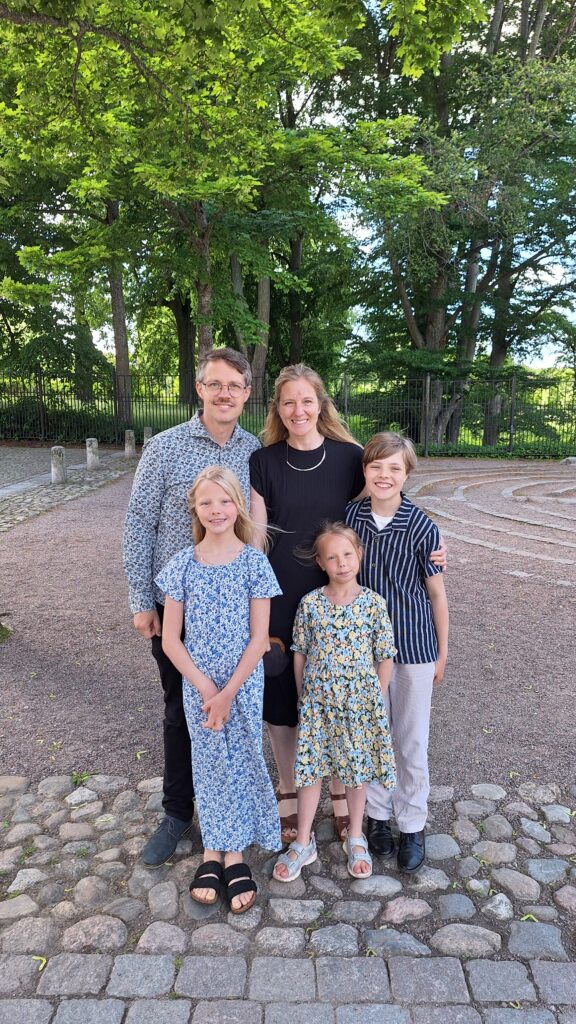
That early collision of worlds, faith taken seriously and cultures held loosely, runs through everything Johannes has done since. Today he lives in Linköping with his wife Noomi, a speech therapist, and their three children, all of whom sing in choirs. He pastors part-time, leads church planting in his Baptist denomination, and works with M4. Every day, he admits, looks a little different. But the thread is consistent: he plants churches, and he keeps it simple enough that ordinary people can do it too.
When Faith Became His Own
Faith was always part of the furniture in the Stenberg home. The shift came in eighth grade, when Johannes started reading the Bible on his own, with an intensity that surprises even in the retelling. He read the entire Bible in three or four months.
“That made a big difference, because then my faith really became my own.”
Being a committed Christian in secular Swedish high school made him, in his words, the odd one out. There were struggles. But the conviction held: he wanted to follow Jesus and to be part of his mission somehow. That “somehow” first took shape in Stockholm, in a multicultural, sometimes troubled neighbourhood of the kind that makes the national news. He became one of the pastors of a church planted there in the 1990s, working among youth and children, and meeting many Muslims along the way.
Those years rearranged his sense of where the mission field actually is.
“The mission field is very much in Sweden as well. I can reach the unreached nations. The people from nations where there are very few Christians, they live, they are my neighbours.”
The Calling to Go Yourself
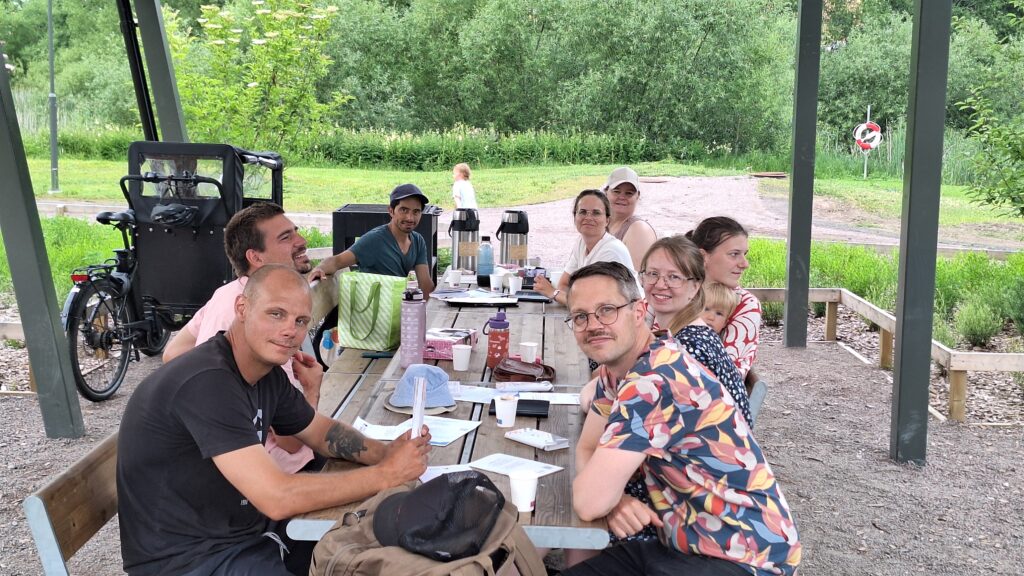
Johannes felt the pull toward church planting at around twenty, early enough that he wasn’t ready to act on it. At twenty-seven, newly married, he and Noomi sensed the time had come. They wanted to plant an intercultural church, and not in Stockholm. They landed in Linköping with a group of ten people who, remarkably, did not know each other beforehand. Ten near-strangers starting a church together, learning team dynamics from scratch.
What followed was a pattern of going rather than sending. In a healthy multiplication story, you send people out to start the next thing. Johannes kept finding there was no one to send.
“There’s no one really here that we could send. So it’s us who have to go.”
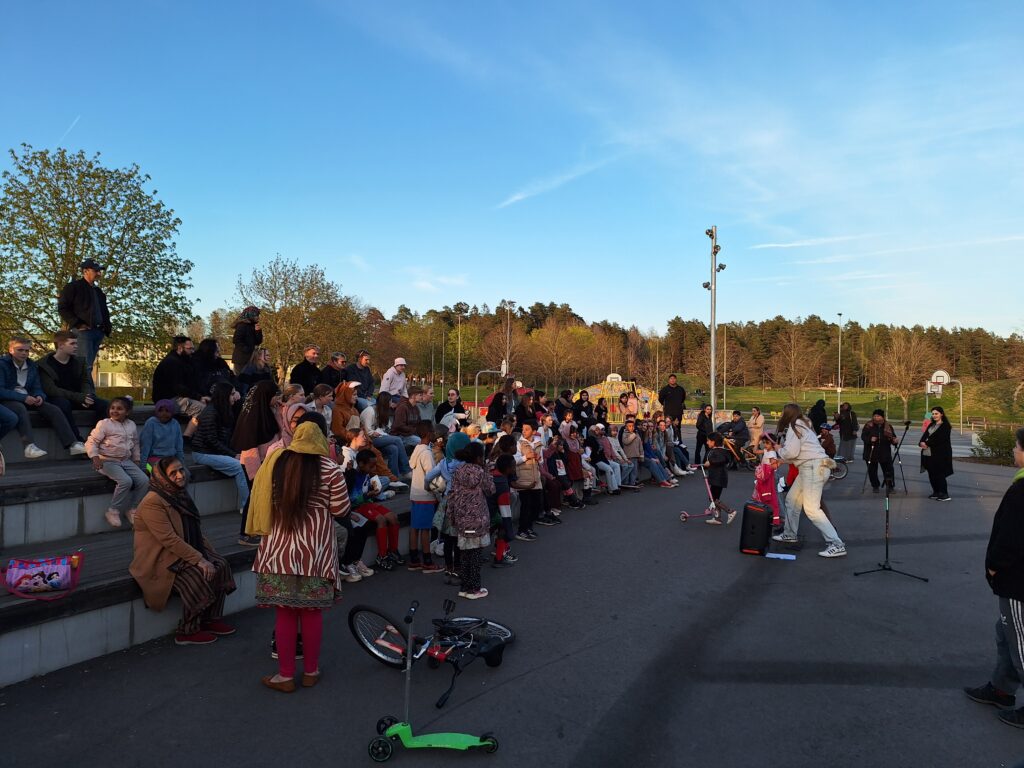
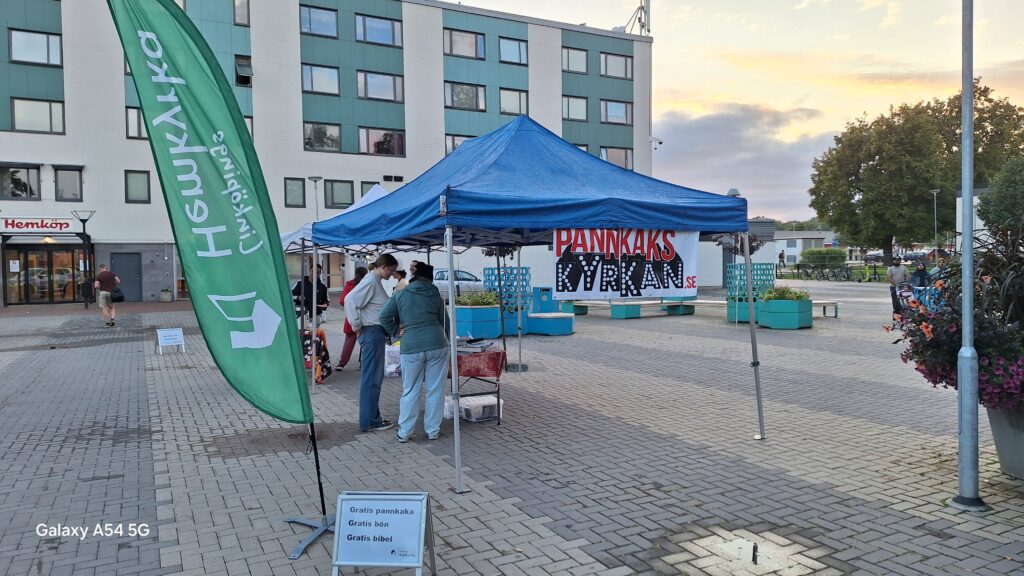
So they went. They handed over leadership of the first church and moved a few kilometres into an entirely different community to plant again in Ryd, and later began a third work in Berga. Each is intercultural in its own way: some shaped by international and Swedish students, others by immigrant communities. Once a month the sites gather together on a Friday night, starting with tacos at five, moving into Bible study, coffee and fellowship, and ending in worship, prayer, and communion. The weekly life happens locally; the monthly gathering is where the celebration and the different generations come together.
Holding such diverse groups together could be fraught. Johannes describes a “centred set” approach: rather than drawing hard lines about who is in and who is out, the church keeps a strong core and points constantly back to Scripture. When differences or conflicts arise, the instinct is not to pronounce but to read together.
“Instead of saying ‘the Bible says this,’ we read together and let the Bible reveal itself to us.”
The Engine: Alpha and Discovery Bible Study
If there is one practical idea church planters will take from this conversation, it is the pairing of two tools. Alpha opens the door; Discovery Bible Study keeps people walking through it.
Discovery Bible Study, or DBS, has been central for Johannes, and he is almost evangelistic about how well it fits the Swedish soul. The method is simple: take a text, ask a few questions, and rotate who facilitates so everyone is drawn in. The emphasis lands not on accumulating knowledge but on application, on how a passage changes the way a person actually lives and whom God might be sending them to. Its roots are in India, yet Johannes finds it feels almost native to Scandinavia.
“It’s group discussions, which we do in schools all the time. We’re very egalitarian, we don’t like strong leadership. You dig in yourself and find the answers, instead of the pastor telling you the answers.”
DBS also reshapes the pastor’s week. Because the group carries the study, Johannes preaches perhaps five times a year, which frees him to build relationships and disciple people rather than disappear into sermon prep. Alpha, meanwhile, is widely trusted across Swedish churches, from Lutheran to Pentecostal, and works beautifully as an invitation. Running it in his own home means his whole family can take part: the kids eat with the guests, and he and Noomi can both be in the conversation, something ministry often makes difficult for couples.
The order matters. In the ideal flow, Alpha comes first and DBS follows immediately, so newcomers move straight from a safe introduction into ongoing community. Johannes has watched churches lose people in the gap between a warm Alpha course and a Sunday service that felt like a different world. Pairing Alpha with DBS closes that gap. And crucially, both tools are missional from day one, so a new plant carries the DNA of mission before it ever worries about structure.
“Instead of formalising first, you do the missional thing first.”
Belonging Before Believing
The fruit shows up in stories rather than statistics. One student in his twenties invited fifteen classmates to an Alpha course; two came, which Johannes notes is not a bad percentage. One of them had said no the semester before, came the next time, and within a few weeks found himself praying and reading the Bible, sensing this Jesus was someone he genuinely wanted to know. He was baptised and is now stepping into leadership.
Then there is the Polish student who arrived a self-described hardcore atheist and asked to help lead. The team agreed, alongside mature Christians, and she created exactly the atmosphere they hoped for: a place where it was safe to disagree and think out loud. She no longer calls herself an atheist. Her own description of where she stands now has become one of the quiet highlights of the episode.
“She says, ‘I’m not a believer yet.’ Not an atheist anymore. Not a believer yet.”
That small phrase captures Johannes’s whole approach. People are invited to belong before they are asked to believe. Faith is not the barrier to belonging; it tends to grow, organically and a little messily, out of being welcomed in.
A Quiet Shift, and the Rhythms That Sustain It
Ask Johannes about the spiritual climate in Sweden and he points to something many in the UK have been calling a quiet revival. He sees the early signs of it at home: more young people, especially young men, turning up in churches. Even the secular press, which once ignored or framed Christian faith negatively, now runs neutral, even curious articles about young people coming to faith.
“In my generation you felt a bit ashamed of being Christian. Today, being Christian is not that odd. The trends are changing.”
He is careful not to overstate it. This is not a radical shift yet, he says, but the early beginnings of one, and it leaves him optimistic. What keeps him grounded through the ups and downs is unglamorous and repeatable. He prays as he walks, finding it clears his mind. He uses small pockets of time, on a train or in a queue, for ten minutes of Bible meditation through an app rather than scrolling. And he and Noomi end every day in prayer together, the most fundamental rhythm of all.
Be Open to the Doors
Invited to leave a final word for listeners, Johannes returns to where the conversation began: an openness in Europe that he believes is real, and a posture he learned long ago between two continents.
“Be bold and actually invite people, especially into your homes. Be open to the Spirit opening new doors, because I really believe that in this time and age he’s opening many new doors.”
It is the same instinct that has marked his whole journey: keep the core strong, keep the method simple, and go yourself when there is no one to send.
🎧 Listen to the full conversation with Johannes Stenberg on the M4 Podcast.
Available on also on Spotify & Apple Podcasts.
Follow Johannes: @johannes.stenberg